Films
Information on next year’s film screening(s) will be posted here when available.
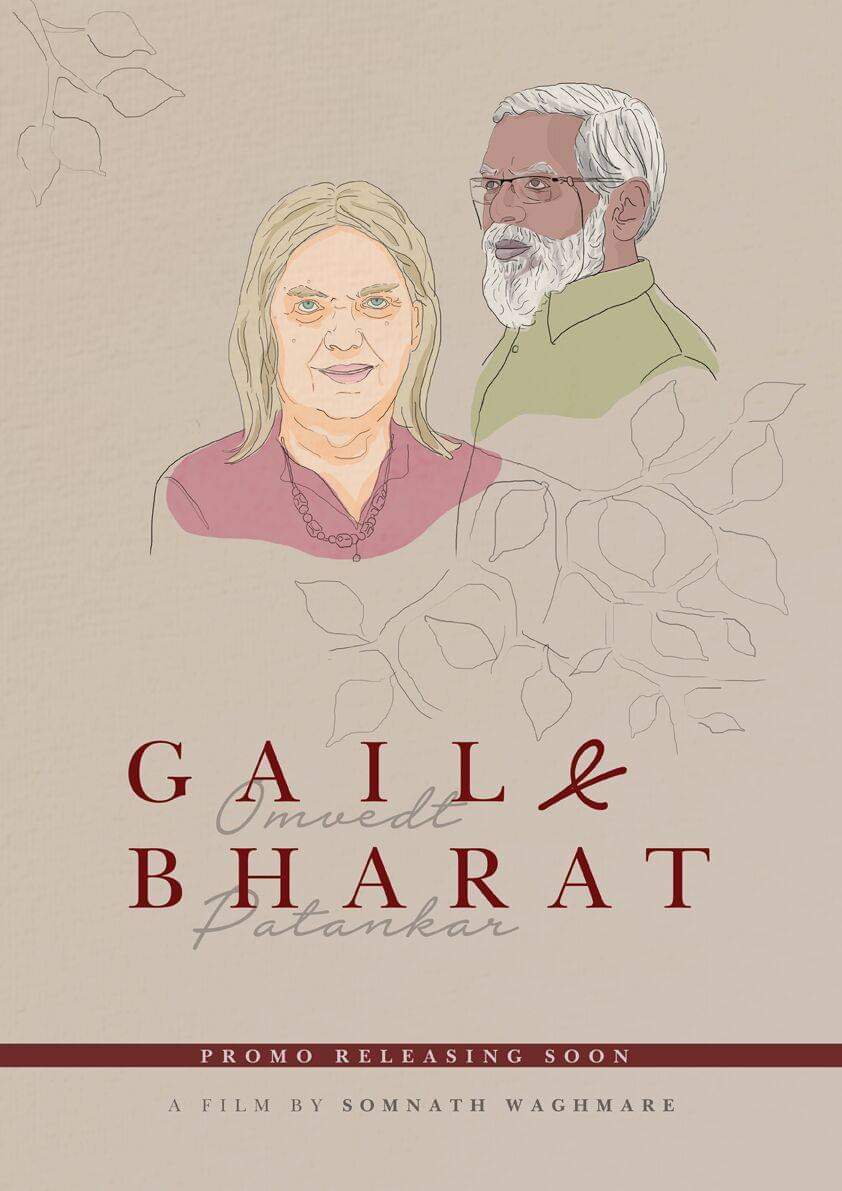
Gail & Bharat (2025)
Directed by Somnath Waghmare, 80/ Marathi/ English
The Documentary film on a US-born Indian sociologist and Dalit rights activist Prof. Gail Omvedt (1941–2021) and her partner, activist Dr.Bharat Patankar. The documentary avoids academic jargon and is instead structured around their personal life, set against the backdrop of the larger Indian socio-political movements around them. Given the lack of serious documentation of Indian anti-caste struggles, this film is an important resource that will preserve their life’s work for scholars and activists. Gail & Bharat is a well-made and thought-provoking film that explores an important and timely topic. The film celebrates the shared life and seminal work of Dr. Gail Omvedt and Dr. Bharat Patankar, whose decades of activism and scholarship have been foundational to the anti-caste and social justice movements in India.
In October film has been screened in many places in the UK and Europe including the London school of Economics, where Dr.Ambedkar studies, Oxford University, Leeds University, SOAS, University of Sassex and Leaister Secular society, Pelican house London.
The film was also screened in Germany – University of Heidelberg, Subcontinent Berlin and Leiden University Netherlands.
In India Asian college of journalism, Kolhapur, Kasegaon, Satara, Islampur and Kochi Biennale. And online going in Indian screenings.
Somnath Waghmare is a Mumbai-based documentary filmmaker, visual researcher, and cultural practitioner from Malewadi village in Sangli district, western Maharashtra, India. Raised in a rural Dalit-Buddhist family, his early life was shaped by the socio-economic and cultural realities of post-industrial migration, caste segregation, and agrarian labour. His mother worked as an agricultural labourer, while his father was employed in Bombay’s textile mills during the 1990s. Following the collapse of the city’s textile industry, the family returned to their native village, where Waghmare completed his schooling and undergraduate education. Growing up within a caste-segregated settlement profoundly informed his understanding of caste, memory, labour, dignity, and resistance, themes that continue to constitute the intellectual and aesthetic foundations of his work.
Waghmare’s engagement with visual documentation began through photography and ethnographic observation of everyday life in rural Maharashtra, particularly the lived experiences, cultural practices, and political assertions of Dalit communities. Over time, this developed into a sustained cinematic and research practice concerned with caste, public memory, Ambedkarite politics, labour histories, social movements, and the visual cultures of historically marginalized communities in India. His work occupies an important space within contemporary anti-caste visual discourse, combining documentary realism with political and archival inquiry.
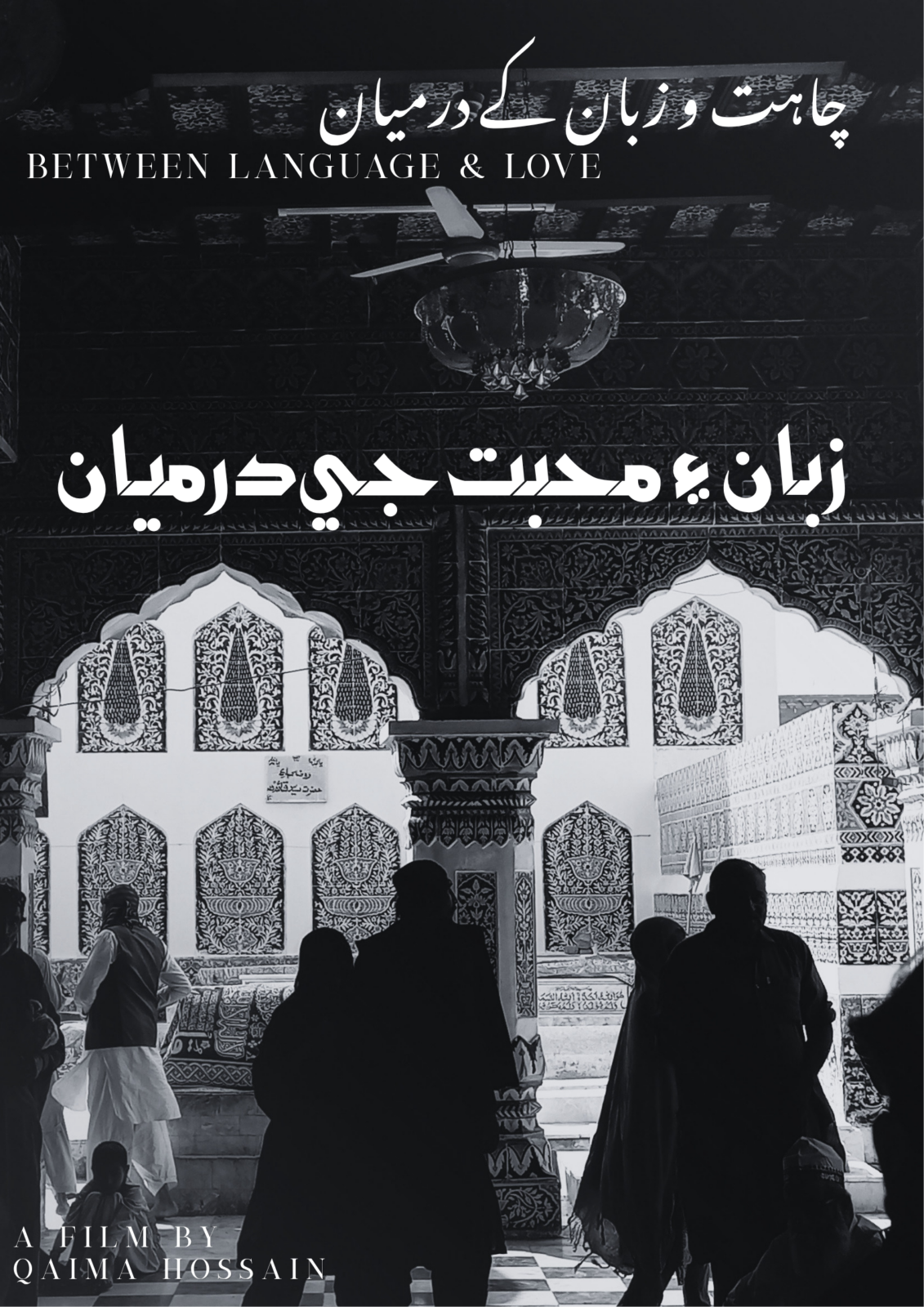
On one level, this film essay simply documents the journey of the narrator and director, Qaima, her mother, Shazia, and her friend, Lilac, to the Sufi saint, Shah Abdul Latif Bhittai’s shrine in Bhit Shah, Sindh, Pakistan. On the other hand, it is a polyvocal film, operating across the multiple linguistic, sonic, and poetic landscapes of Sindh and Balochistan. Through this, it becomes a journey through time, space, culture, and relationships, showing how Qaima’s relationship with her mother ebbs and flows through language, and how the journey towards the b/Beloved is never wholly complete, but always continuing.
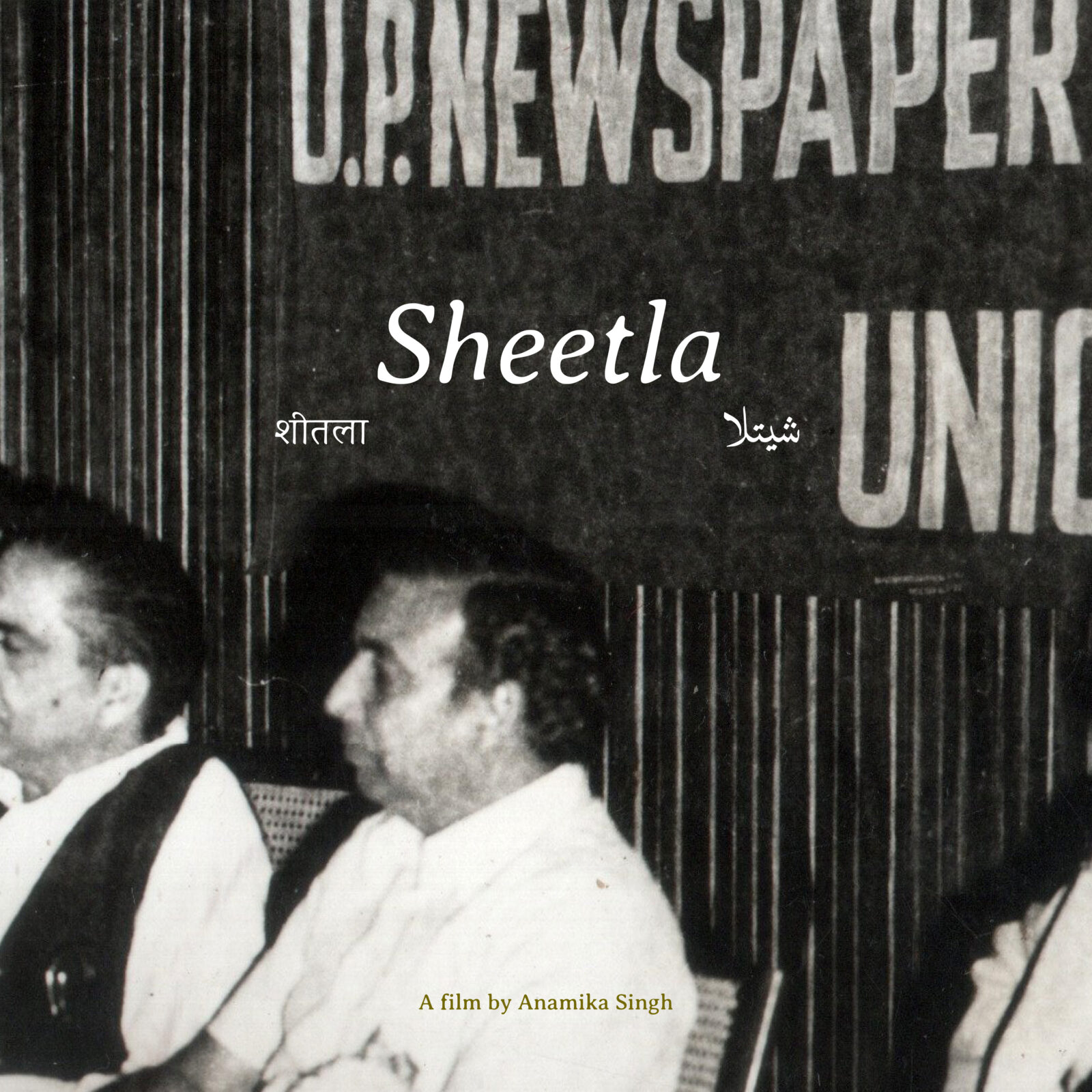
Sheetla (2025) retraces the contentious histories that have shaped the historic city of Faizabad through the life of its witness, the late Sheetla Singh. A prominent editor and journalist, Singh led the defiant Hindi-language daily Jan Morcha for nearly 50 years. Through the testimonies of journalists and close comrades, this work explores how the life of Sheetla Singh was inextricable from the violence, movements, and histories that have shaped the region and the Subcontinent. Through interviews, archival images, and charged images of Faizabad and Ayodhya, Sheetla tells the story of a city whose inhabitants are thrust into a volatile future through a contested past and its ever-present debris.
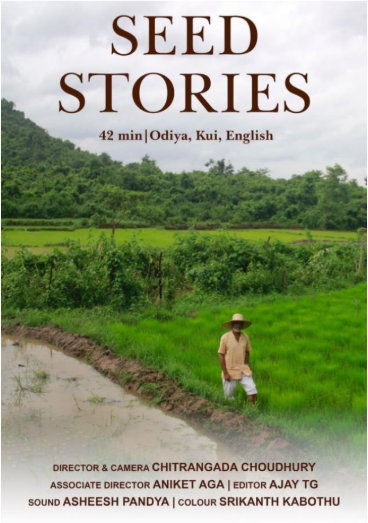
In a village in the Niyamgiri mountains of Odisha’s Eastern Ghats, a heroic effort is underway: barefoot ecologist Dr. Debal Deb and his 3 member-team are conserving in-situ over 1000 endangered heirloom varieties of rice. Odisha’s Eastern Ghats region is one of the world’s surviving
biodiversity hotspots, with Adivasi communities like the Kondhs possessing the knowledge of growing multiple crops with their folk seeds, evolved over centuries. At the same time, the village and the wider region is irreversibly
changing with the coming of genetically modified cotton seeds and associated chemicals. ‘Seed Stories’ takes a worm’s eye view of how this is reshaping a geography and a people steeped in agro-ecological knowledge, and altering
their attitudes towards farming, food and ecology. It invites audiences to reflect on the question, ‘What is sustainability?’